

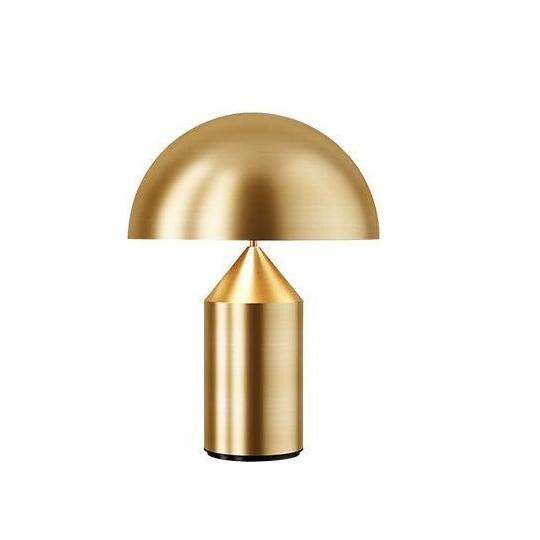
How to Choose the Right Table Lamp: Size, Height & Placement Guide
A table lamp does two jobs at once: it delivers soft, comfortable light exactly where you need it, and it works as a piece of decor in its own right. Get the size and placement right and the whole room feels balanced; get it wrong and the lamp either disappears or overpowers everything around it. This guide walks you through every decision — height, shade proportions, bulb, and placement — so you can buy with confidence.
The quick answer
- Height: Most table lamps stand 24–34 inches tall. On a nightstand or end table, aim for the bottom of the shade to sit near eye level when you are seated — that usually means the lamp and table together add up to about 58–64 inches from the floor.
- Shade: The shade should be roughly two-thirds the height of the lamp base, and never wider than the surface the lamp sits on.
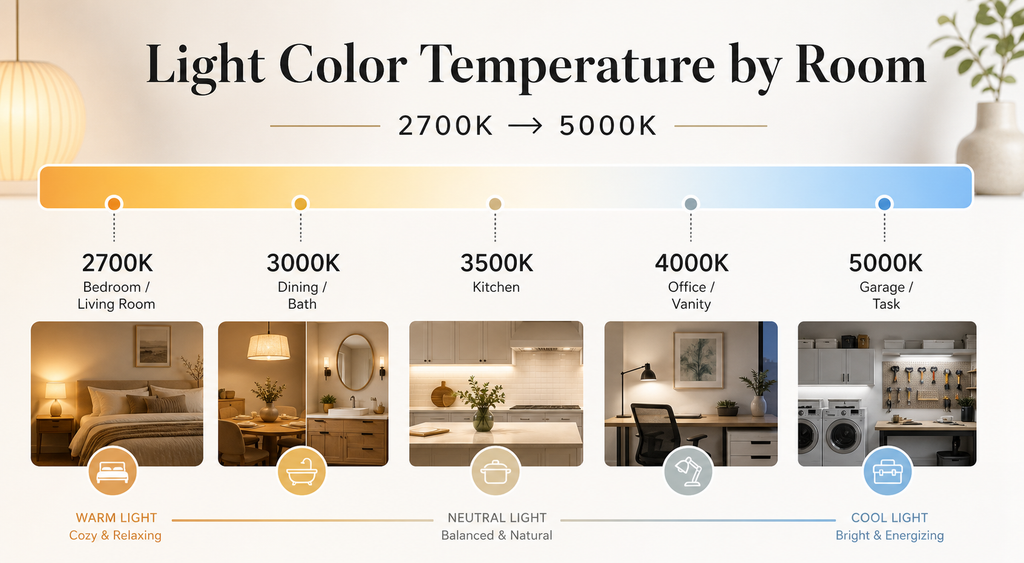
- Bulb: In the US, most table lamps use a standard E26 medium screw base. Choose a warm 2700K bulb for bedrooms and living rooms.
1. Get the height right
Height is the measurement people get wrong most often. The goal is to place the bottom edge of the shade close to eye level when you are sitting beside the lamp. That keeps the bright bulb hidden from view and spreads a soft pool of light where you actually use it — over a book, a side table, or a workspace.
Beside a bed
Measure the height of your nightstand first. A tall nightstand needs a shorter lamp and a low one needs a taller lamp. As a rule, the lamp and nightstand combined should reach about 58–64 inches, putting the switch within easy reach and the shade at eye level when you sit up to read.
Next to a sofa or armchair
End-table lamps in a living room follow the same logic, but here symmetry matters too. Lamps flanking a sofa look best as a matched or closely coordinated pair. If your seating is low and lounge-style, lean toward a taller lamp so light still reaches lap height for reading.
On a desk or console
For task lighting on a desk, a lamp in the 20–28 inch range keeps light close to the work surface without glare. On a tall console or entry table used purely for accent light, you have more freedom to go bold and sculptural.
2. Match the shade to the base
Proportion is what separates a lamp that looks custom from one that looks off. Three quick checks:
- Shade height should be about two-thirds the height of the lamp body.
- Shade width should be roughly equal to the height of the lamp base, and always narrower than the table beneath it so it does not overhang the edge.
- Harp and finial should let the shade fully conceal the bulb and socket when you look at the lamp from a standing position.
Lighter, translucent shades throw more ambient light into the room; opaque shades direct light up and down for a more focused, dramatic effect.
3. Choose the right bulb and brightness
Most US table lamps take an E26 medium base bulb. For living rooms and bedrooms, a warm white 2700K bulb gives the cozy, flattering tone people expect from a lamp. For a home office or reading nook, a slightly cooler 3000K bulb can help with focus. Look for a bulb in the 450–800 lumen range for ambient light, and higher for dedicated task lighting. If the lamp will be on a dimmer, confirm the bulb is dimmable.
4. Placement, room by room
- Bedroom: One lamp per nightstand, switches facing the bed.
- Living room: Pair lamps on matching end tables for balance, and add a third accent lamp on a console to layer the light.
- Home office: Position the lamp on the opposite side of your writing hand to avoid casting a shadow across the page or keyboard.
- Entryway: A single statement lamp on a console sets the tone the moment guests walk in.
Layering matters: a table lamp should complement, not replace, your overhead and accent lighting. The best rooms combine ambient, task, and accent sources at different heights.
Frequently asked questions
How tall should a bedside table lamp be?
Aim for the lamp and nightstand together to total about 58–64 inches, so the bottom of the shade sits near eye level when you are sitting up in bed.
How wide should a table lamp shade be?
The shade should be about two-thirds the height of the lamp and never wider than the table it stands on.
What bulb does a table lamp use?
Most US table lamps use a standard E26 medium screw base. A warm 2700K bulb is the usual choice for living rooms and bedrooms.
Should living room lamps match?
Lamps flanking a sofa look best as a matched or closely coordinated pair. Accent lamps elsewhere in the room can differ, as long as the finishes relate.
Shop table lamps
Ready to find yours? Browse the full table lamp collection at Malane Lighting, or explore coordinating floor lamps and wall lamps to layer your lighting. Every fixture is UL listed and ships free across the USA with a 2-year guarantee.
Related post

20
Sep
06
Jul
06
Jul
18
Jun
18
Jun
